




Updated March 31, 2026
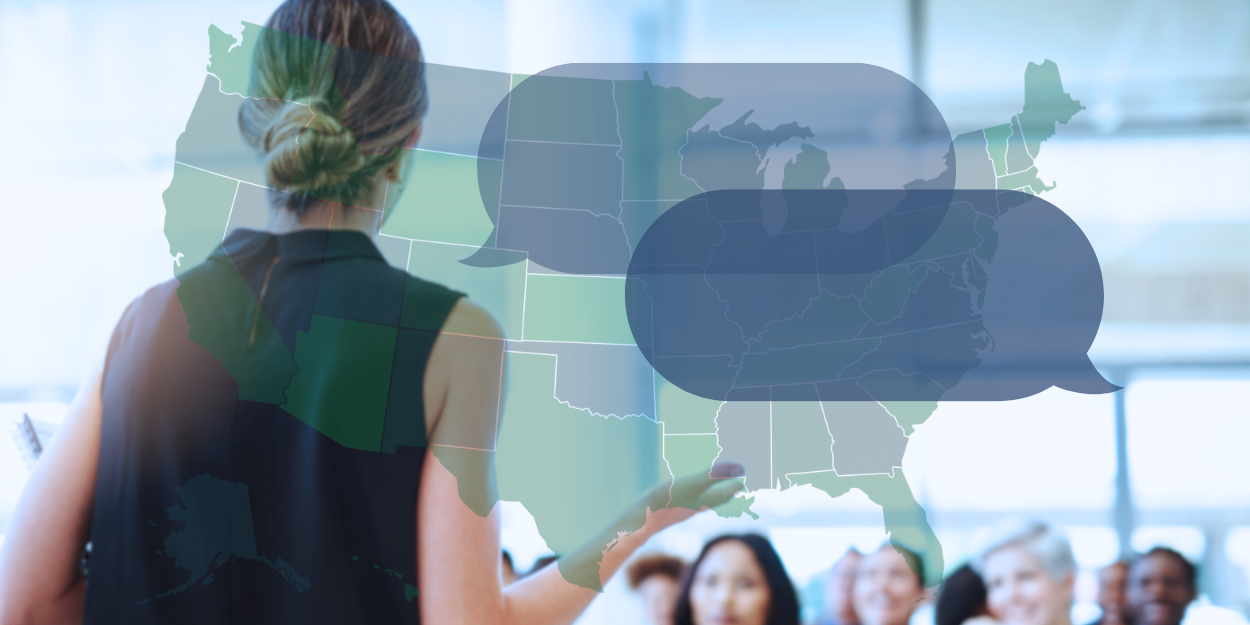
Community solar is available in over 40 states across the U.S. but only 24 of those have formal community solar programs in place. This means that there is legislation which clearly lays out the expectations for the solar company and for the individuals and organizations who sign up.
Many community solar companies will wait for legislation to be implemented before they build solar farms in that area. The amount of time and resources it takes to build a solar farm means that it only pays itself off after years of production.
At the moment, several states have community solar legislation under review or in committees, which could greatly expand access to renewable energy. For these bills to pass, it makes a big difference when community members actively show their support. At the bottom of this article, we go through ways you can help support community solar.
Where Does Community Solar Need Your Support Now?
- Ohio: Ohio Bill HB303 passed the House Energy Committee on November 19th, 2024, and is now in the Senate awaiting a vote. This bill represents a significant step towards enhancing local energy production and addressing the challenges posed by rising electricity costs, while also fostering economic growth within the state.
- Georgia: Georgia’s legislature introduced two bills, H.B. 507 and S.B. 203, that would let companies (not just utilities) create shared solar projects. These solar projects could be built on rooftops, old industrial sites, landfills, or even above parking lots and roads. If the bills pass, customers will benefit in several ways: When subscribers earn more solar credits than they use in a month, those extra credits will never expire and would continue rolling over. The proposals also allow customers to receive payment for any unused credits, even if they decide to leave the program. These bills did not advance during the 2025 legislative session but will carry over to the 2026 session.
- California and Colorado: These states are expanding their existing community solar programs. In Colorado, changes were approved to focus on inclusive community solar development with benefits for low-income households. California’s Public Utilities Commission has made strides with new community energy programs.
In 2025, Community Solar Bills failed to come to fruition in Missouri, West Virginia, Ohio, Iowa, Indiana, and Illinois.
Federal Impacts on Community Solar
Low-Income Community Bonus Credit (LICBC) Update:
The Low-Income Community Bonus Credit (LICBC) program continues to offer a valuable boost to solar projects, providing an additional 10% (siting) or 20% (offtake) bonus on top of the existing 30% Investment Tax Credit (ITC). This applies to projects under 5MW and supports a national capacity of up to 1.8 GW annually.
Despite strong interest, the program is currently understaffed, with only one person reportedly managing all applications. This has resulted in delays, with many projects still awaiting results.
Tax Credit Phase Out
The federal Solar Investment Tax Credit (ITC) is a financial incentive that helps lower the cost of building solar projects, including community solar. It works like a tax “discount” for developers, but this is now being phased‑out.
For community solar, this phase‑out means developers receive a smaller tax break, which can make projects expensive to build. That can influence subscription prices for customers, since lower project costs usually translate into better savings for customers.
Even so, community solar remains a strong option for customers because it still provides bill credits, long‑term savings, and access to clean energy without needing rooftop panels.
What Can You Do Today to Support Community Solar
- Contact your legislators: Call, email or send a letter to your state representatives to voice your support for community solar legislation. Mention the economic and environmental benefits. We’ve created a convenient template for you to use at the bottom of this article.
- Join advocacy groups: Organizations like the Coalition for Community Solar Access (in Wisconsin) or local environmental coalitions can amplify your voice.
- Attend hearings or town halls: Being present at committee hearings or town halls shows legislators that there is strong public support.
- Spread awareness: Use social media or community platforms to share information about the legislation and encourage others to take action. See the below social media kit to help spread awareness about community solar.
- Word of Mouth: Tell your neighbors, friends and family about community solar and how they can help support legislation in your state.
Every little bit counts toward building a clean energy future for all Americans. Community solar helps build that future through expanding clean energy access, promoting energy equity, supporting climate goals, stimulate local economies, and promote environmental sustainability.
If you have supported community solar in any way, whether it’s subscribing to a community solar farm, or spreading awareness of its benefits, we would love to hear your story. Simply write us an email to customercare@pureskyenergy.com or call us at 1-877-267-8727.
Use the Template to Get Started
Use this template as your starting point. Personalize it to make it more relevant to your state and your values.

Template
Letter & Email
Use this template as your starting point. Personalize it to make it more relevant to your state and your values.
Template
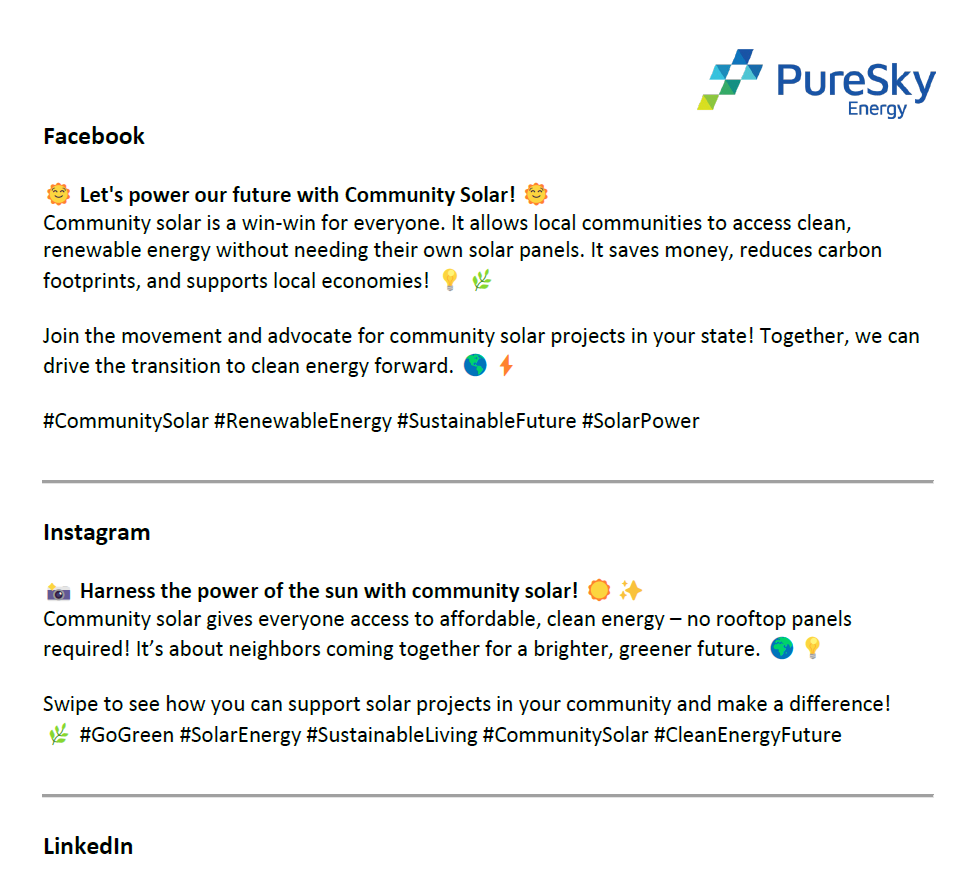
Social Media Post
Open the social media post content and copy and paste the text into your platform of choice.
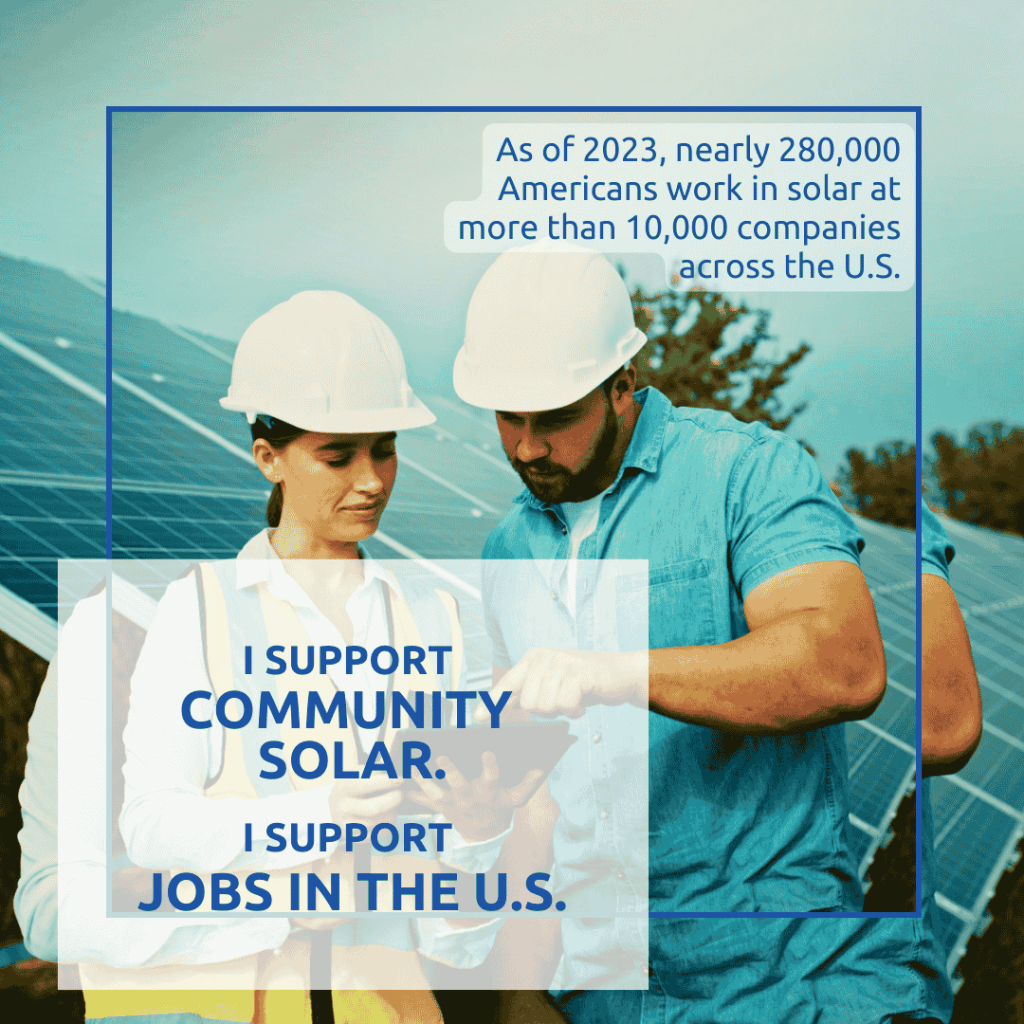
Graphic
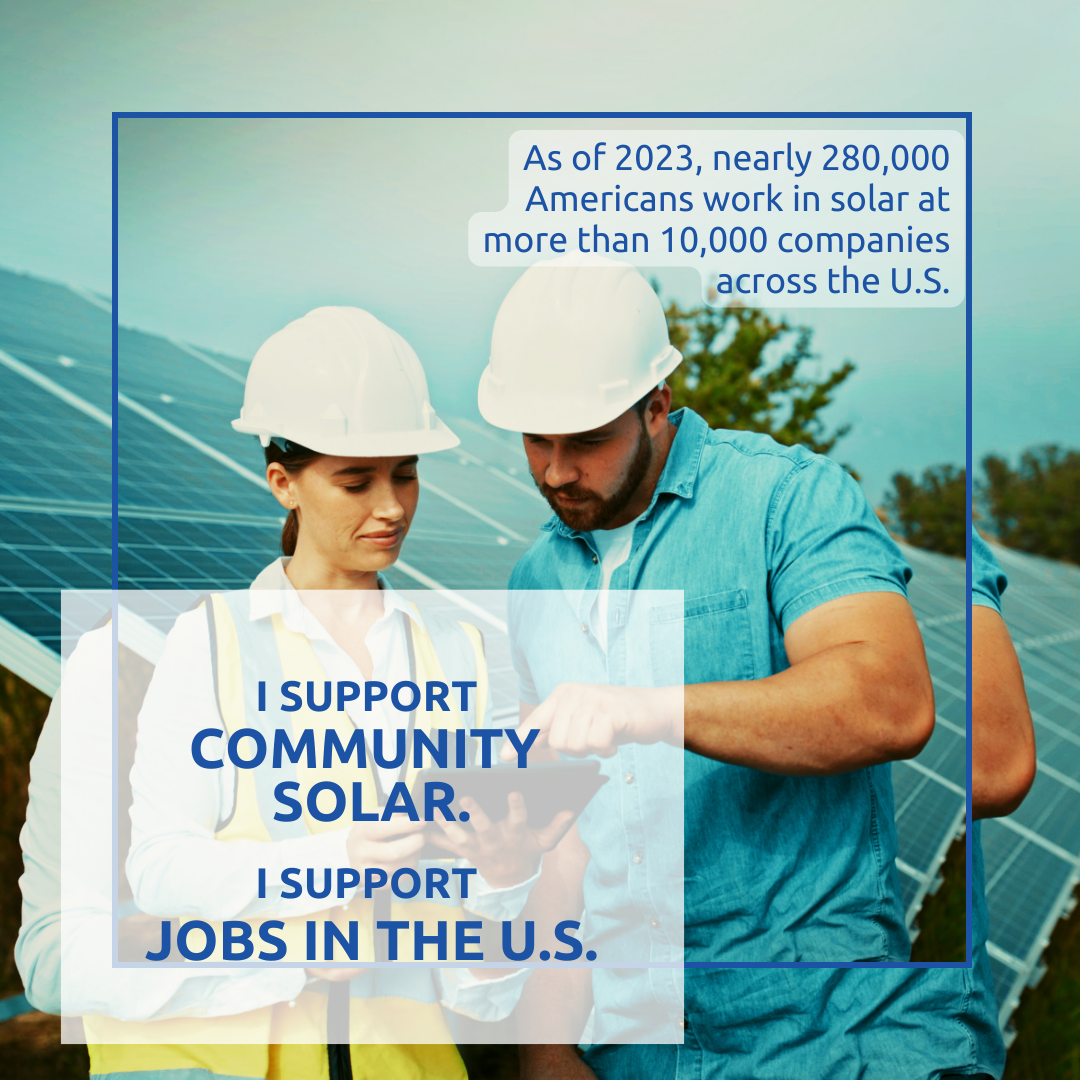
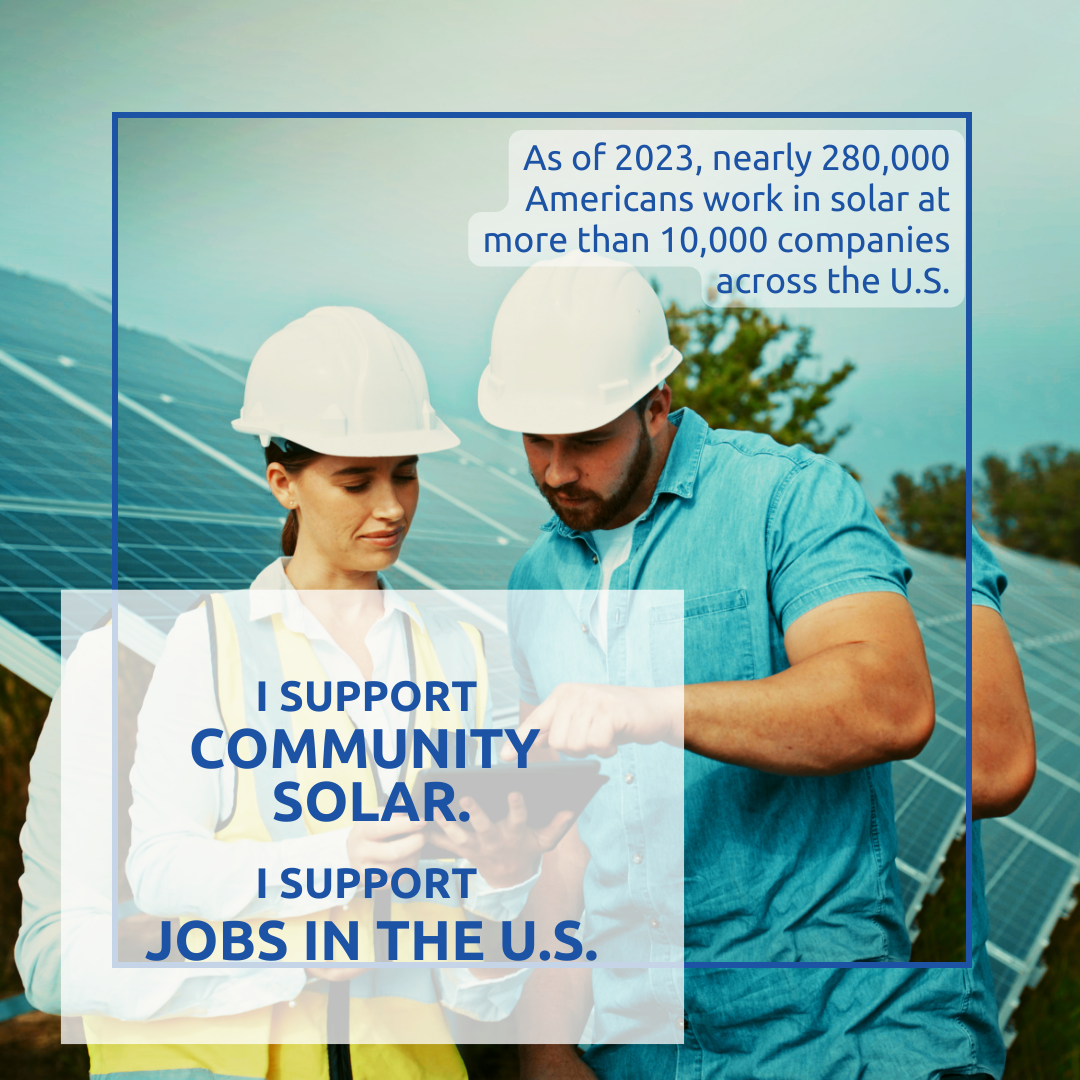
Great for Jobs
Download this graphic and share to your favorite platform.
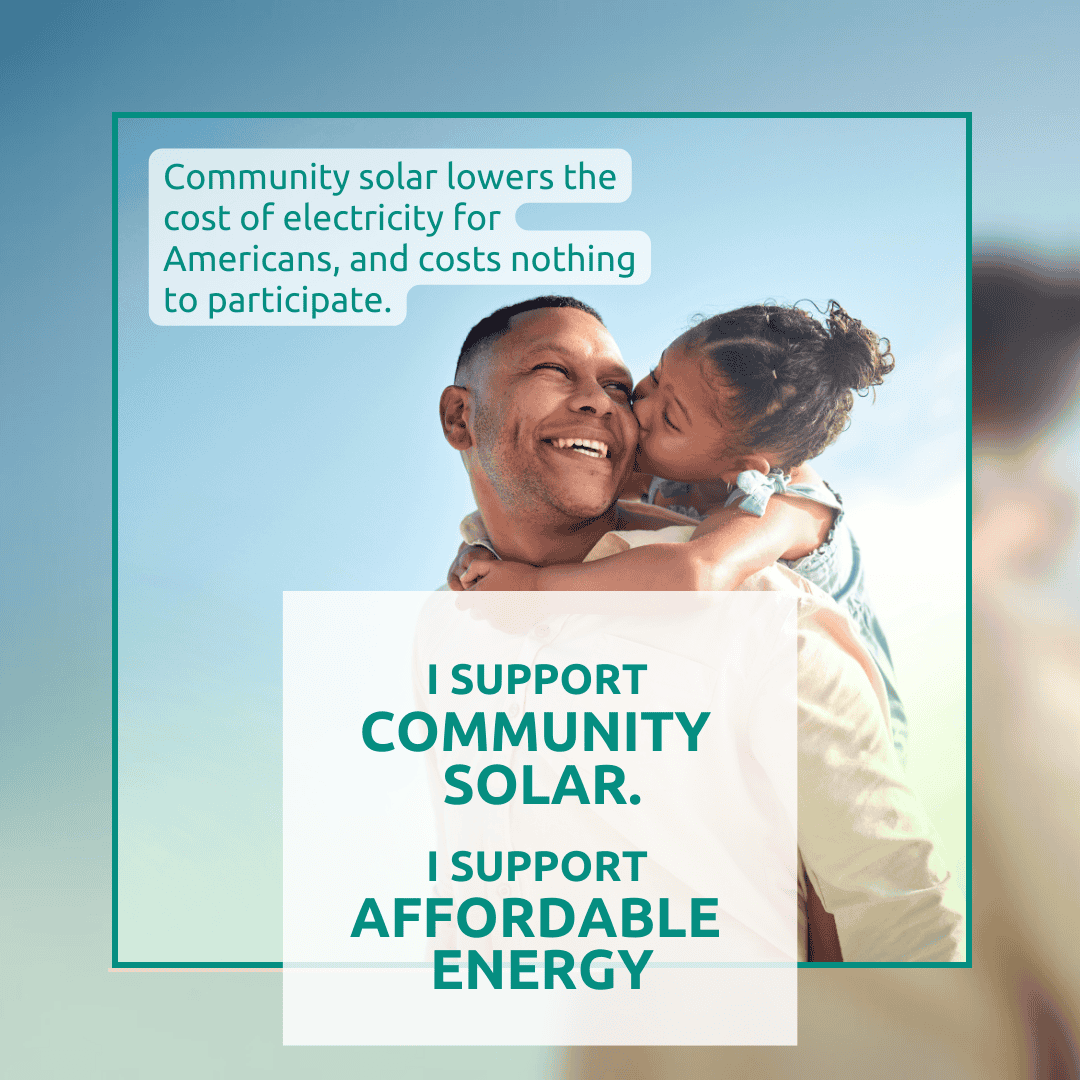
Graphic
Savings
Download this graphic and share to your favorite platform.

Graphic
Combat Climate Change
Download this graphic and share to your favorite platform.
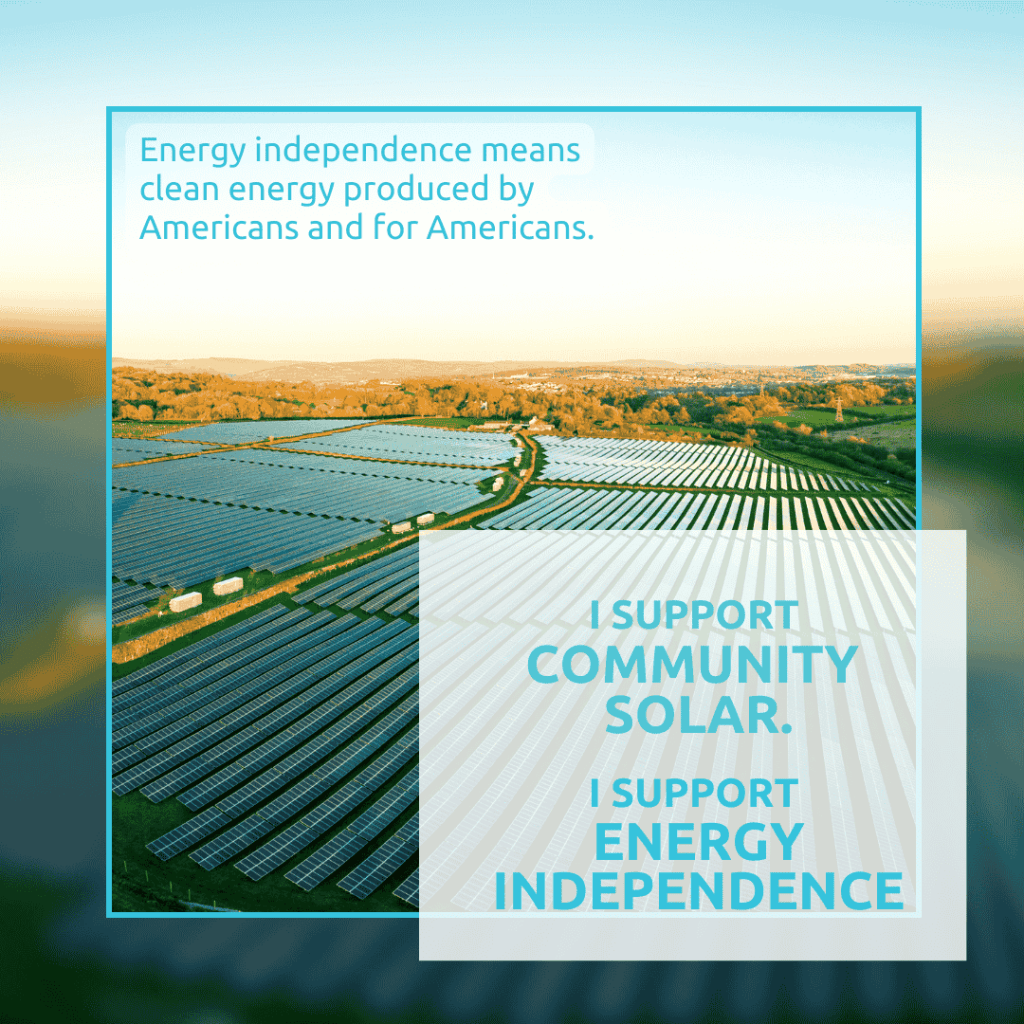
Graphic
Energy Independence
Download this graphic and share to your favorite platform.
Follow us on Social
Stay up to date with everything to do with community solar, renewable energy, and sustainability on your favorite platform.